 English
 Spanish
 Portuguese
 French
 Italian
 Remote Mower
The lawn care industry is evolving as property owners, landscaping contractors, agricultural operators, and grounds maintenance teams seek safer, more efficient ways to manage grass and vegetation. Traditional mowing equipment remains essential, but challenging terrain, labor shortages, and rising operational costs have encouraged professionals to explore smarter solutions. One technology gaining attention is the remote-controlled lawn mower, which allows operators to control mowing operations from a distance.
A modern remote-controlled lawn mower combines remote operation, tracked mobility on selected models, and specialized cutting systems to address mowing tasks that can be difficult or time-consuming with conventional equipment. For commercial landscaping businesses and professional maintenance teams, this technology offers a practical approach to improving worksite safety, operational flexibility, and productivity.
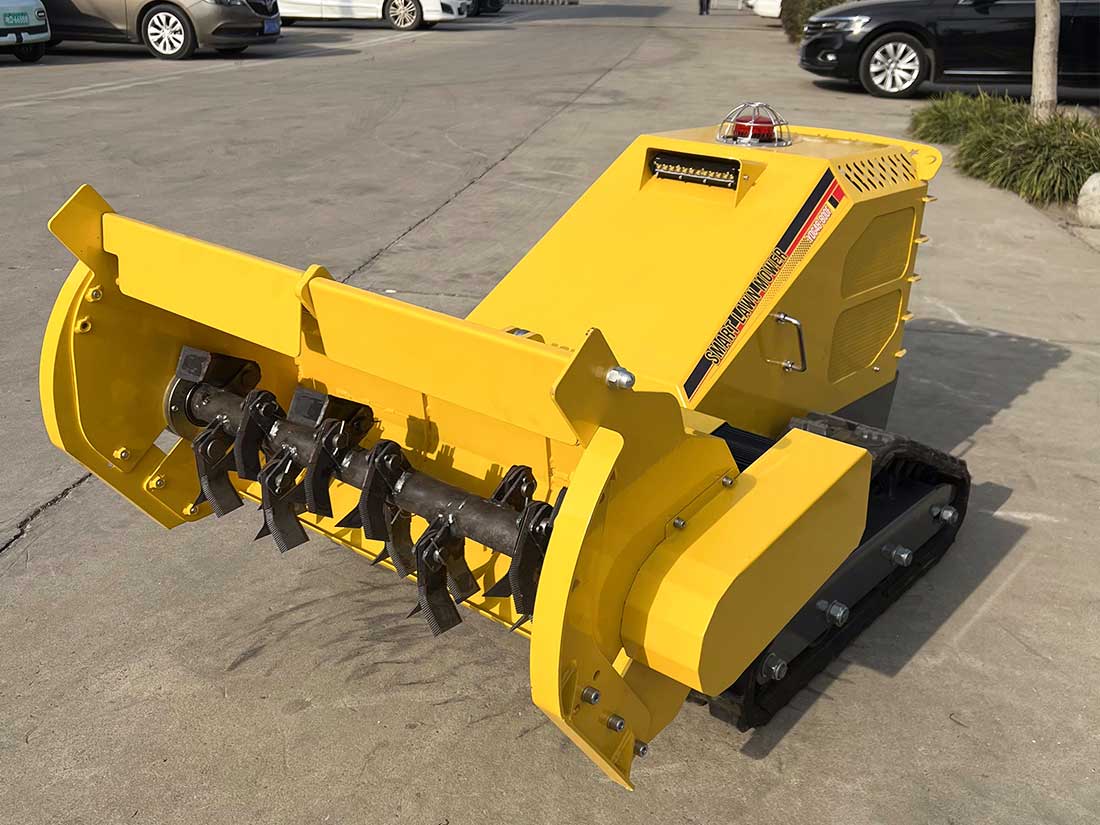
1. What Is a Remote-Controlled Lawn Mower?
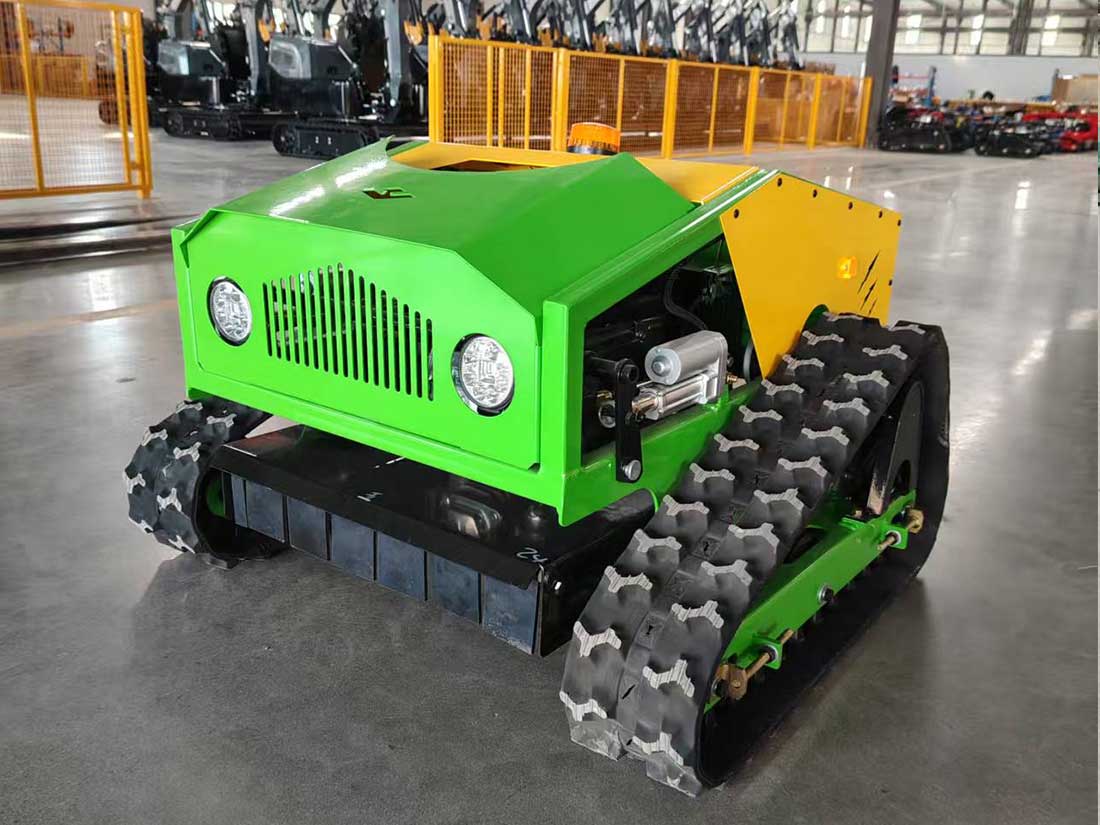
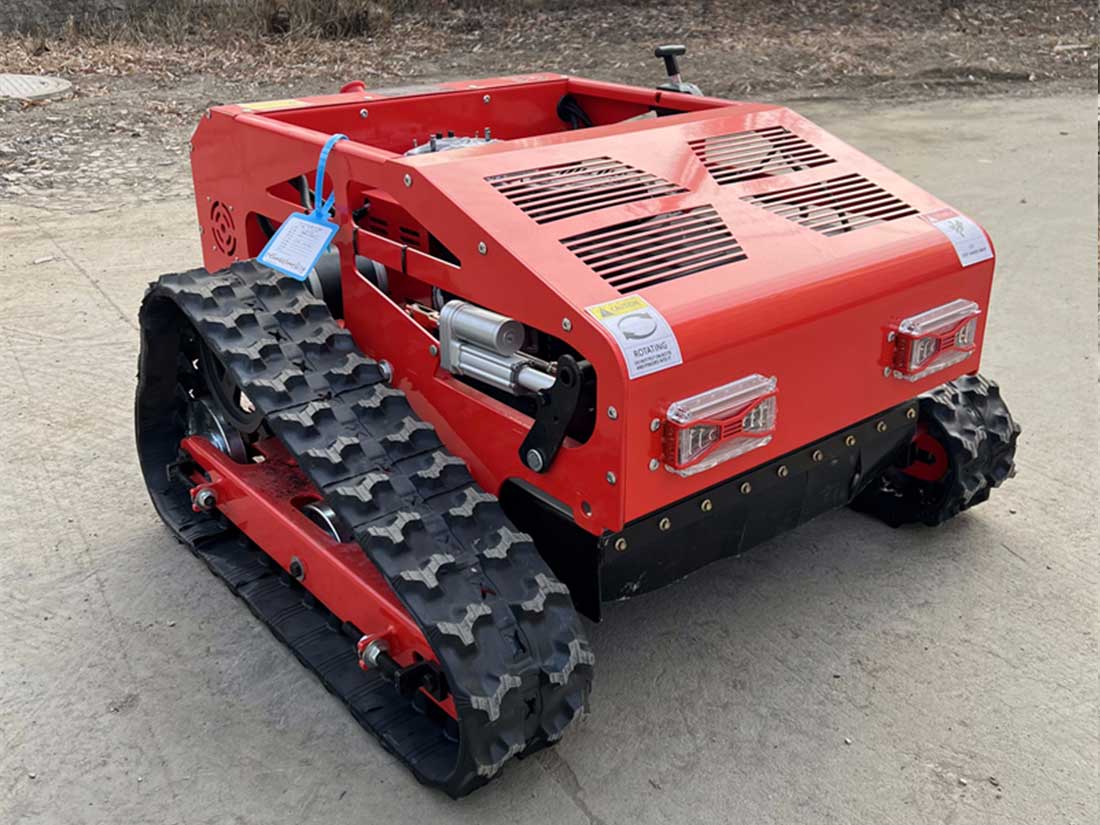
A remote-controlled lawn mower is a mowing machine operated through a handheld transmitter or another compatible remote-control system. Instead of walking directly behind the machine or sitting on it, the operator controls its movement and cutting functions from a suitable position.
Depending on the model, a remote-controlled lawn mower may feature:
Remote driving and steering: Operators can direct the machine along mowing routes without remaining physically beside the cutting deck.
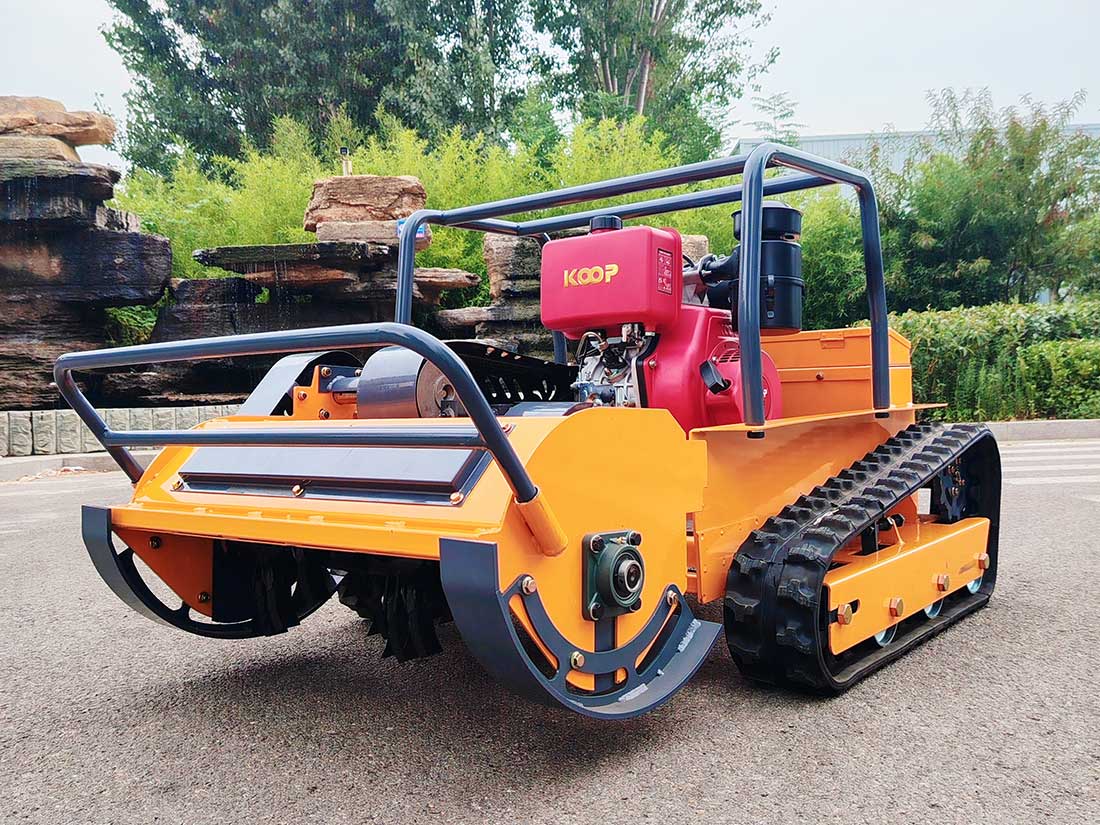
Specialized cutting systems: Different cutting configurations are designed for grass, weeds, and selected types of dense vegetation.
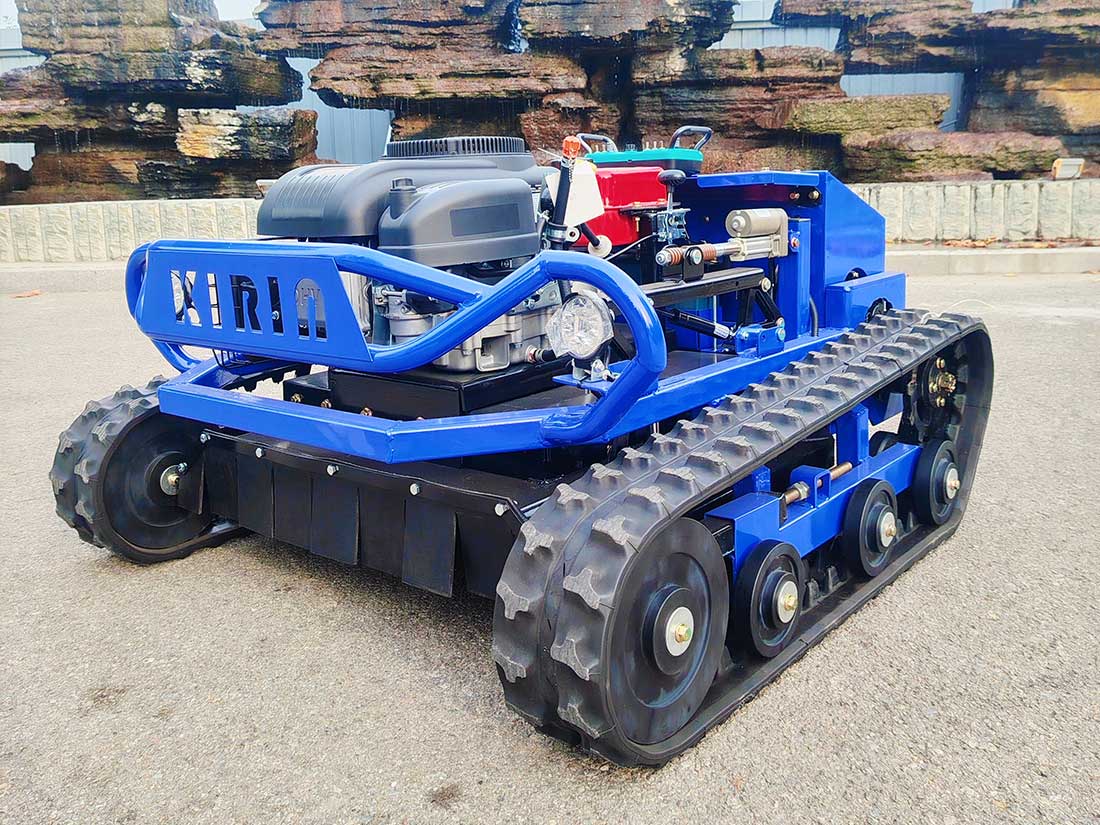
Tracked mobility: Certain models use tracks to improve traction on uneven ground and challenging terrain.
Compact construction: Some machines can access areas where larger conventional equipment is difficult to maneuver.
Commercial-duty components: Professional models may be designed for demanding mowing schedules and repeated outdoor use.
The exact capabilities of a lawn mower depend on its design, power system, cutting width, operating limits, and safety features. Buyers should evaluate these specifications against their actual working conditions rather than assuming that every remote-controlled machine is suitable for every property.
2. Why Remote-Controlled Mowing Technology Matters
Traditional mowing can become more complicated when a site includes steep banks, drainage channels, roadside vegetation, orchards, or uneven ground. Operators may need to work around obstacles, reposition equipment frequently, and manage changing surface conditions.
A remote-controlled lawn mower can help address some of these challenges by allowing the operator to maintain a greater distance from the cutting equipment while controlling the machine.
Improved operator positioning
When mowing certain slopes or areas with difficult access, operating a machine remotely can reduce the need for a person to walk directly behind the mower or ride on equipment across the same terrain. The operator must still maintain a safe position, follow the manufacturer's operating instructions, and keep the machine within its permitted working limits.
Greater flexibility on difficult terrain
A tracked lawn mower may provide useful traction on uneven surfaces where a conventional wheeled machine struggles. This can be particularly valuable for landscape contractors maintaining embankments, orchards, roadside verges, and other areas with variable ground conditions.
However, traction alone does not determine slope capability. Ground moisture, vegetation, slope angle, machine weight, track design, and the manufacturer's stated operating limits all affect performance.
More efficient workforce planning
A remote-controlled lawn mower can help maintenance teams manage difficult mowing tasks with less direct physical exposure to the cutting area. Depending on the site and work method, this may reduce the need for additional personnel to perform certain operations.
Actual labor savings depend on mowing speed, site preparation, transportation time, operator experience, maintenance requirements, and the area being maintained. Businesses should evaluate productivity under their own operating conditions before estimating a return on investment.
3. Key Applications for Remote-Controlled Lawn Mowers
Remote-controlled mowing equipment is not limited to residential lawns. Its value is often most apparent in professional environments where terrain, vegetation, or access creates operational challenges.
Hillsides and sloped landscapes
Steep banks and sloping lawns can present risks when using conventional mowing equipment. A remote-controlled lawn mower designed for slopes can allow the operator to control the cutting process from a safer position, subject to the machine's rated slope limits and operating instructions.
Before selecting a mower for hillside work, assess the maximum permitted slope, lateral stability, traction, braking behavior, and recommended mowing direction. Operators should never exceed the manufacturer's limits.
Roadside and infrastructure maintenance
Roadside verges, drainage channels, and utility corridors frequently require vegetation control in areas where access is restricted. A suitable remote-controlled lawn mower may help crews manage grass and low vegetation while keeping the operator away from the immediate cutting zone.
For work near traffic, additional controls remain essential. These may include traffic management, warning signs, exclusion zones, visibility measures, and compliance with local regulations.
Orchards and agricultural properties
Orchards and farms can contain narrow access routes, uneven ground, and vegetation growing around trees or boundaries. A compact lawn mower with remote operation may help operators maneuver through selected areas while maintaining distance from the cutting mechanism.
Agricultural buyers should consider machine width, turning radius, ground clearance, cutting height, vegetation density, and the risk of damaging tree trunks, irrigation systems, or other infrastructure.
Commercial landscaping and large green spaces
Golf course surroundings, commercial properties, parks, and other landscaped environments often require consistent vegetation management across different types of terrain. A remote-controlled lawn mower can complement existing mowing equipment by handling selected difficult-to-access areas.
It is important to match the cutting system to the desired finish. Fine turf maintenance, tall grass cutting, and rough vegetation management may require different machine designs and cutting configurations.
4. What Features Should Buyers Evaluate?
Choosing a remote-controlled lawn mower involves more than comparing purchase prices. Professional buyers should examine the machine's operating capabilities, safety systems, service requirements, and suitability for the intended application.
| Feature | Why it matters |
|---|---|
| Cutting width | Influences the potential area covered per pass and maneuverability in confined spaces. |
| Cutting height adjustment | Helps adapt mowing results to grass type and site requirements. |
| Power system | Affects operating time, maintenance needs, and suitability for different workloads. |
| Track or wheel design | Influences traction, ground pressure, and mobility on uneven terrain. |
| Remote-control range | Determines how far the operator can control the machine under specified conditions. |
| Slope rating | Establishes the manufacturer's permitted working conditions on inclines. |
| Safety systems | May include emergency stopping and other protective functions, depending on the model. |
| Maintenance access | Affects routine inspection, cleaning, servicing, and downtime. |
Buyers should also confirm the availability of replacement blades, belts, tracks, filters, and other wear components where applicable. Clear documentation and accessible technical support can be important factors for businesses that depend on equipment availability throughout the mowing season.
5. Remote-Controlled Lawn Mower vs. Conventional Mowing Equipment
A remote-controlled lawn mower does not necessarily replace every conventional mower. In many professional operations, the most effective approach is to use different machines for different tasks.
Conventional ride-on and walk-behind mowers can remain practical choices for broad, relatively flat areas where efficient coverage and a uniform finish are the primary goals. Remote-controlled equipment may be more appropriate for selected slopes, rough ground, restricted-access areas, or vegetation management tasks that require the operator to keep a greater distance from the machine.
A professional equipment assessment should compare:
The type and size of the area being mowed.
The frequency and density of vegetation growth.
The terrain, slope, and ground conditions.
Transport and setup requirements.
Fuel or charging needs and routine maintenance.
Operator training and safety procedures.
Total cost of ownership over the expected service life.
The best lawn mower is the one that matches the actual job. For many contractors, remote-controlled mowing equipment is most valuable as part of a broader fleet strategy rather than as a universal replacement for all mowing machines.
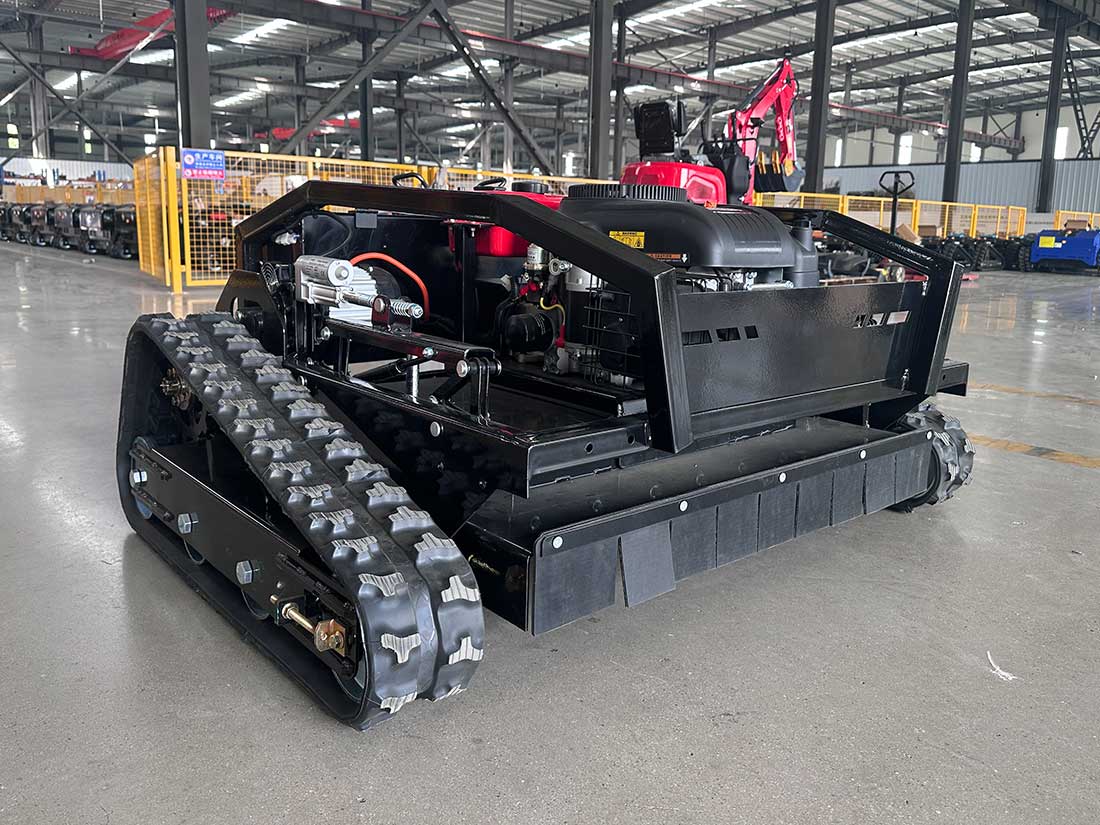
6. A Practical Example: Managing a Difficult Landscape
Consider a landscaping contractor responsible for maintaining a property with open grass areas, uneven ground, and a steep embankment. Using a single conventional lawn mower for the entire site may require frequent repositioning and expose workers to challenging operating conditions.
The contractor could evaluate a remote-controlled lawn mower for the embankment and other difficult sections while continuing to use conventional equipment on accessible, relatively flat ground.
A practical evaluation would include the following steps:
Inspect the site: Measure slopes, identify obstacles, assess ground conditions, and establish restricted areas.
Confirm machine suitability: Check the manufacturer's slope rating, cutting capabilities, traction design, and safety instructions.
Train the operator: Practice remote control, emergency stopping, maneuvering, and safe recovery procedures in a controlled area.
Run a representative trial: Measure the time required for setup, mowing, repositioning, cleaning, and routine inspection.
Compare results: Assess productivity, cut quality, labor requirements, downtime, and operating costs against the existing method.
This is an illustrative scenario, not a report of a verified customer project. The actual outcome will depend on the equipment selected, site conditions, and operating practices. A structured trial gives businesses a more reliable basis for purchasing decisions than relying on advertised specifications alone.
7. Safety and Maintenance: Essential for Long-Term Performance
Remote operation can change how a lawn mower is used, but it does not eliminate mowing hazards. Rotating blades, flying debris, slopes, hidden obstacles, and unstable ground can still cause serious injury or equipment damage.
Professional operators should:
Read and follow the manufacturer's operating manual.
Inspect the work area and remove hazards where practical.
Maintain the required exclusion zone around the machine.
Keep the mower within its specified operating and slope limits.
Check the remote-control connection and emergency-stop function before use.
Stop the machine before clearing blockages or carrying out maintenance.
Use appropriate protective equipment and follow site-specific safety procedures.
Regular maintenance is equally important. Blades should be inspected for wear or damage, cutting components cleaned as recommended, tracks and running gear checked where fitted, and fasteners, electrical connections, and other serviceable components inspected according to the maintenance schedule.
For commercial operators, preventive maintenance records can help identify recurring issues, plan service intervals, and reduce avoidable downtime.
8. The Business Value of Remote-Controlled Mowing Equipment
The financial case for a remote-controlled lawn mower should be based on the full cost of ownership rather than the purchase price alone.
Relevant cost factors include the initial investment, transportation, operator training, routine maintenance, replacement parts, energy or fuel consumption, and expected equipment life. Potential benefits may include more suitable handling of difficult terrain, improved work planning, and reduced exposure to certain hazardous mowing positions.
Businesses can estimate the payback period by comparing the annual net operating savings with the initial investment. However, savings should be calculated from actual or carefully estimated operating data rather than assumed productivity gains.
For landscaping contractors, farms, property managers, and vegetation-maintenance providers, a well-matched remote-controlled lawn mower can become a useful specialized asset when it addresses a recurring and clearly defined operational problem.
9. Explore Remote-Controlled Mowing Solutions from JY Lawn Mower
Selecting the right equipment starts with understanding the terrain, vegetation, working environment, and expected workload. Buyers looking for remote-controlled mowing equipment should compare machine specifications carefully and confirm that the selected model meets their operational and safety requirements.
JY Lawn Mower provides a starting point for exploring remote-controlled mowing solutions for challenging grass-cutting and vegetation-maintenance applications.
Visit the official website at https://www.jylawnmower.com/ to learn more about available equipment and identify solutions that may fit your mowing requirements.
When evaluating a model, consider its cutting system, mobility, permitted slope, power configuration, maintenance needs, and suitability for the intended site. For professional buyers, discussing these details with the supplier can help narrow the options and support a more informed purchasing decision.
Conclusion: A Smarter Approach to Modern Lawn Care
Remote-controlled mowing technology is expanding the options available to professional landscaping, agricultural, and grounds-maintenance teams. By allowing operators to control a machine from a distance, a suitable remote-controlled lawn mower can help address selected challenging mowing tasks while supporting more flexible work planning.
The greatest value comes from choosing equipment that matches the terrain, vegetation, and operating requirements. Buyers should assess performance specifications, safety procedures, service support, and total cost of ownership before making a decision.
As the lawn care industry continues to adopt specialized equipment, remote-controlled mowing solutions offer a practical option for businesses seeking to manage difficult areas more effectively. Explore the solutions available from JY Lawn Mower to learn more about remote-controlled mowing equipment for professional applications.