 English
 Spanish
 Portuguese
 French
 Italian
 Remote Mower
Introduction: The Evolution of Modern Lawn Maintenance
The landscaping industry has experienced significant changes in recent years as professionals search for safer, faster, and more efficient ways to manage outdoor spaces. Traditional manual cutting methods often require intensive labor, especially when dealing with large properties, steep slopes, uneven terrain, and areas with dense vegetation.
This case study explores how the adoption of remote grass mowers helped transform a professional lawn maintenance operation from traditional manual cutting methods into a smarter and more efficient mowing solution.
By integrating advanced remote-controlled mowing equipment, landscaping professionals can now improve productivity, reduce operational risks, and achieve consistent cutting results across challenging environments.
For professional remote-controlled mowing equipment solutions, visit:
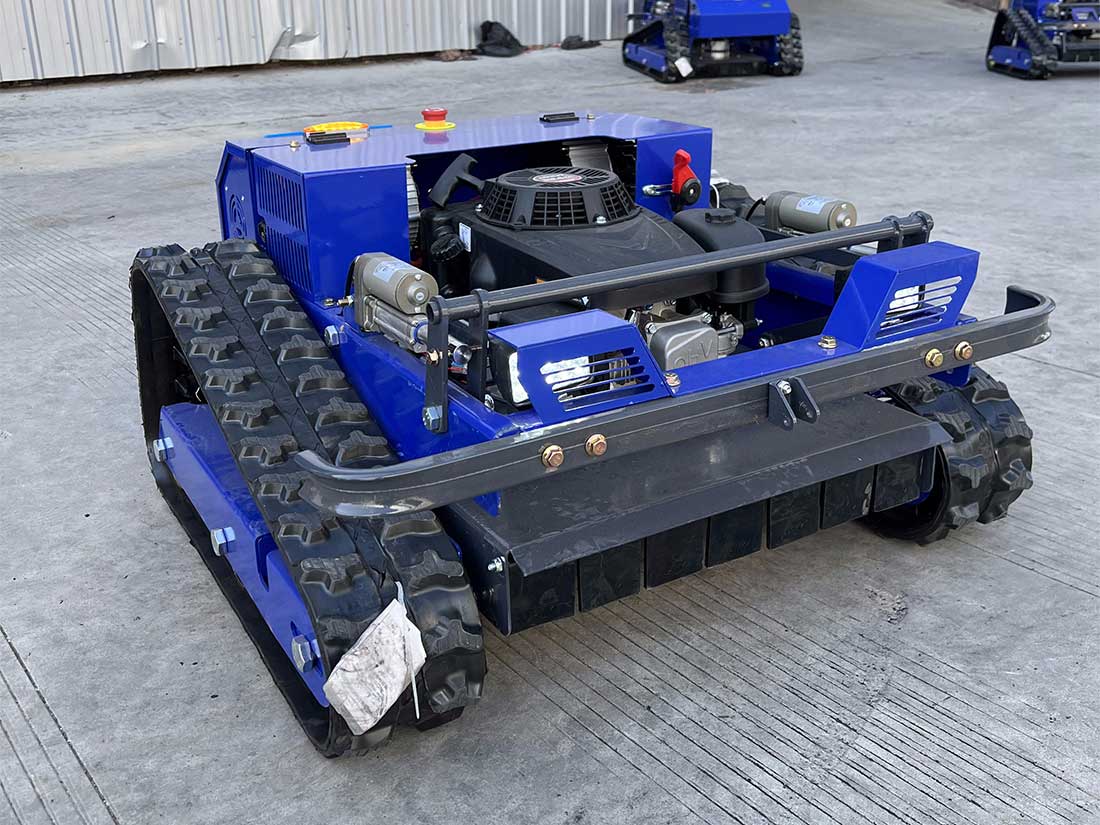
Case Background: The Challenges of Traditional Grass Cutting
Before adopting remote grass mowers, many professional landscaping teams relied heavily on conventional mowing methods. While traditional equipment works well on flat and easily accessible lawns, it often faces limitations in complex environments.
The landscaping company in this case managed multiple outdoor areas, including:
- Large commercial lawns.
- Sloped gardens.
- Rural properties.
- Uneven green spaces.
- Areas with difficult access.
The main challenges included:
High Labor Requirements
Manual mowing operations required significant manpower, especially for large-scale projects. Workers needed to spend more time operating equipment and managing difficult areas.
Safety Concerns on Difficult Terrain
Slopes and uneven ground created additional risks for operators using traditional mowing equipment. Maintaining stability and control became more difficult in challenging locations.
Limited Efficiency
Large areas required longer working hours, reducing overall project efficiency and increasing maintenance costs.
To overcome these challenges, the company began exploring advanced remote-controlled mowing equipment, leading to the adoption of remote grass mowers.
The Solution: Introducing Remote Grass Mowers
The transition from traditional cutting methods to intelligent mowing technology started with the implementation of professional remote grass mowers.
Unlike conventional machines, remote grass mowers use wireless remote control systems that allow operators to manage mowing operations from a safer position.
The new equipment provided several advantages:
- Remote operation for improved safety.
- Powerful cutting performance.
- Better mobility on uneven terrain.
- Reduced physical workload.
- Higher efficiency for large-scale maintenance.
The introduction of remote grass mowers allowed the landscaping team to handle projects that were previously time-consuming and difficult to complete.
Case Study Results: How Remote Grass Mowers Improved Operations
1. Increased Productivity and Faster Completion
One of the most noticeable improvements after using remote grass mowers was increased productivity.
Previously, large or complex areas required multiple workers and extended working periods. With remote-controlled mowing equipment, operators could cover more ground while maintaining consistent cutting quality.
The company achieved:
- Faster mowing cycles.
- Improved workforce efficiency.
- Reduced project completion time.
- Better resource allocation.
By using remote grass mowers, the team was able to complete more landscaping projects without increasing labor requirements.
2. Improved Safety During Mowing Operations
Safety was another important improvement after introducing remote grass mowers.
Traditional mowing on slopes can expose operators to risks caused by unstable surfaces or difficult terrain. Remote-controlled mowing equipment allows users to control the machine from a safer location.
The benefits included:
- Reduced operator exposure to hazardous areas.
- Better control on slopes.
- More confident operation.
- Improved workplace safety.
For professional landscaping companies, the safety advantages of remote grass mowers make them an increasingly valuable investment.
3. Better Performance on Tough Terrain
A major reason professionals choose remote grass mowers is their ability to operate effectively in difficult environments.
The equipment performed well in areas with:
- Tall grass.
- Uneven ground.
- Slopes.
- Dense vegetation.
- Large outdoor spaces.
Advanced traction systems and powerful cutting mechanisms helped the company maintain reliable performance where traditional machines had limitations.
Professional Analysis: Why Remote Grass Mowers Are Changing Landscaping
From an industry perspective, the growth of remote grass mowers reflects a broader movement toward intelligent automation in outdoor maintenance.
Modern landscaping professionals require equipment that can provide:
Greater Efficiency
Remote-controlled mowing equipment helps reduce unnecessary labor and improves daily workflow.
Better Adaptability
Remote grass mowers can handle a wider range of terrain conditions compared with many traditional solutions.
Improved Operator Comfort
Remote operation reduces physical strain and allows workers to manage demanding projects more easily.
Professional-Level Results
The combination of precise control and powerful cutting capability ensures consistent mowing quality.
These advantages explain why more landscaping companies are adopting remote grass mowers as part of their professional equipment solutions.
Applications of Remote Grass Mowers Beyond Landscaping
Although this case study focuses on professional landscaping, remote grass mowers are also suitable for many other industries.
Agriculture and Rural Maintenance
Farmers and land managers use remote grass mowers for:
- Field edge maintenance.
- Grass control.
- Rural property management.
- Vegetation clearing.
Their ability to operate in rough environments makes them useful agricultural tools.
Public Green Space Management
Municipalities and property managers can use remote grass mowers for maintaining:
- Parks.
- Recreational areas.
- Large public lawns.
- Green belts.
Remote-controlled mowing equipment helps improve efficiency while reducing maintenance challenges.
Large Residential Properties
Owners of large estates and gardens can benefit from remote grass mowers when managing:
- Sloped lawns.
- Extensive gardens.
- Difficult-to-access areas.
The technology provides a convenient way to achieve professional mowing results.
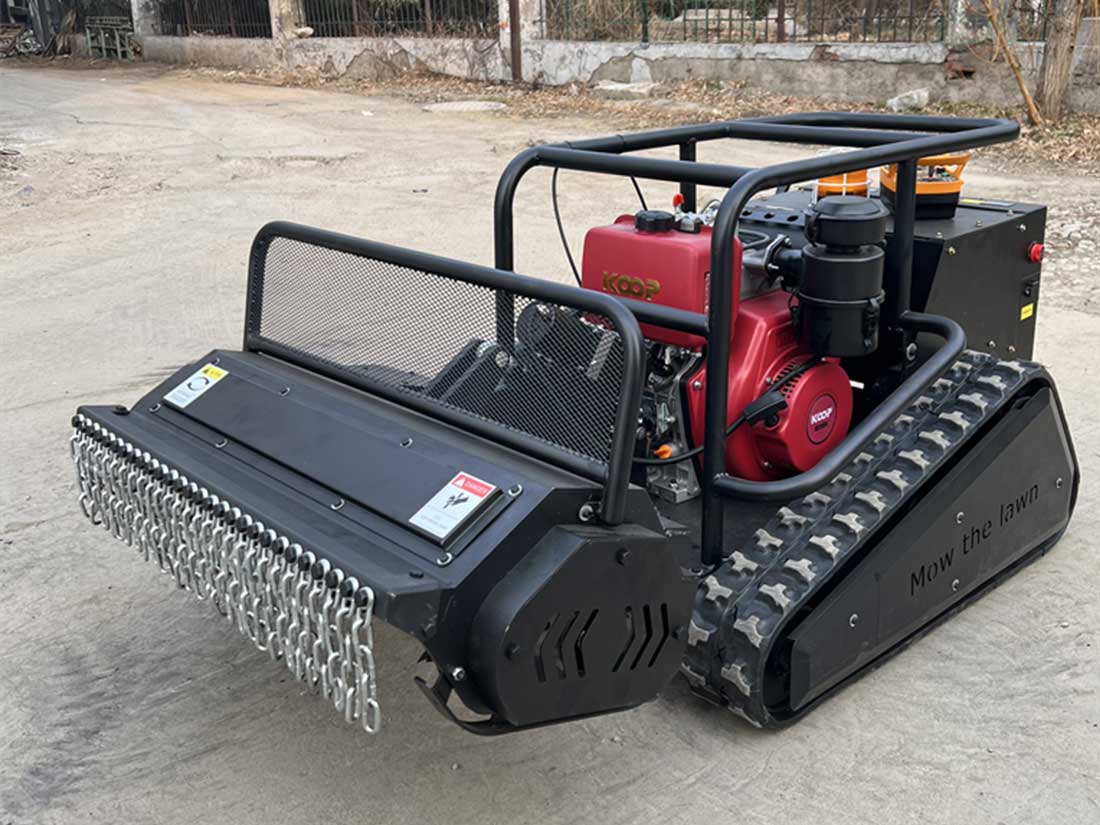
Key Factors When Choosing Remote Grass Mowers
Selecting the right equipment requires careful evaluation of several factors.
Terrain Capability
Choose remote grass mowers that match the working environment, including slope conditions and ground type.
Cutting Performance
Professional machines should provide strong cutting ability for different vegetation conditions.
Remote Control Reliability
A stable control system ensures accurate operation and safer mowing.
Build Quality
Durable components are essential for long-term professional use.
Working with experienced manufacturers of remote-controlled mowing equipment helps ensure reliable performance and better value.
The Future of Smart Mowing Solutions
The transition from manual cutting to intelligent equipment represents a major step forward for the lawn care industry.
This case study demonstrates how remote grass mowers can help professionals overcome traditional mowing challenges by combining:
- Smart technology.
- Remote operation.
- Strong performance.
- Improved safety.
- Greater efficiency.
As demand for smarter landscaping solutions continues to grow, remote grass mowers will play an increasingly important role in commercial landscaping, agriculture, and property maintenance.
Conclusion
The shift from manual cutting methods to advanced remote grass mowers represents the future of efficient lawn maintenance.
By adopting remote-controlled mowing equipment, professional users can manage difficult terrain more safely, complete projects faster, and achieve consistent results.
Whether for landscaping companies, agricultural operators, or large property owners, remote grass mowers provide a powerful and intelligent solution for modern outdoor maintenance.
Discover professional remote-controlled mowing equipment and advanced lawn care solutions at: