 English
 Spanish
 Remote Mower
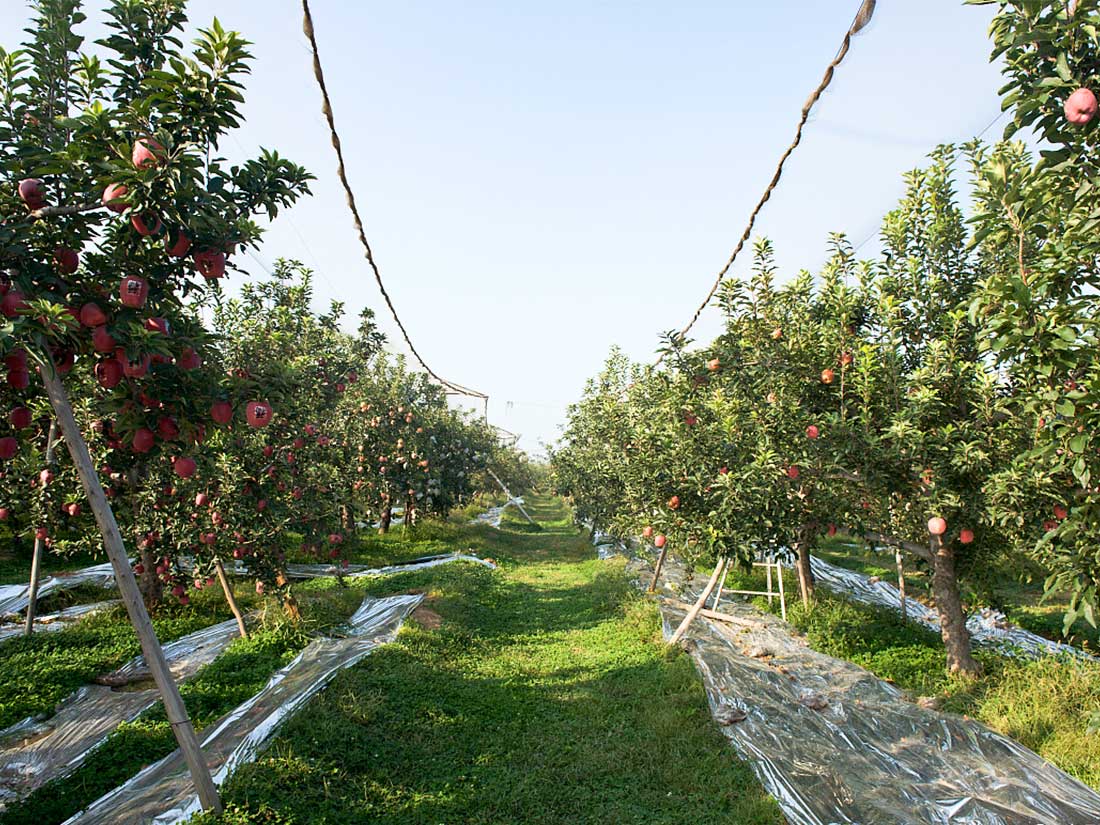
1. Eliminate Nutrient Competition to Support Tree Growth and Fruiting
Weeds grow rapidly with extensive root systems and compete fiercely with fruit trees for nitrogen, phosphorus, potassium, water and trace minerals in soil. During critical periods including spring shoot sprouting, flower bud differentiation and fruit expansion, nutrient loss caused by weeds weakens tree vigor, produces thin new shoots and yellow leaves, cuts down flower bud quantity, and results in small, low-sugar fruits with drastically reduced yields. Weed removal ensures all soil nutrients are absorbed by fruit tree roots, stabilizing tree vigor and annual output.
2. Preserve Soil Moisture and Boost Drought & Flood Resistance
Weeds consume massive amounts of soil water through transpiration under high temperatures, triggering drought stress, leaf shedding and fruit drop on fruit trees. After weeding, straw mulch can be applied to cut down water evaporation. Meanwhile, weeds that block rainwater accumulation are cleared to prevent root rot caused by long-term waterlogging, improving the orchard’s capacity against drought and waterlogging.
3. Cut Pest and Disease Populations to Reduce Pesticide Application
Weeds act as intermediate hosts for numerous pests and pathogens to overwinter and reproduce:
- Pests: aphids, spider mites, fruit borers, thrips and scarabs lay eggs and inhabit weeds;
- Diseases: pathogens of anthracnose, root rot, downy mildew and powdery mildew survive and spread via weeds.
Overgrown weeds also raise field humidity and create favorable conditions for disease outbreaks. Regular weeding removes pest habitats, lowers the risk of severe disease and pest outbreaks, reduces pesticide spraying frequency, minimizes pesticide residues and improves fruit safety.
4. Improve Ventilation and Light Penetration to Upgrade Fruit Quality
Tall weeds block sunlight from inner canopy branches and fruits, creating dense, shaded orchard microenvironments. Reduced photosynthesis of inner leaves restricts sugar accumulation and uniform fruit coloring, and raises risks of sunburn and fruit rot. Weeding unclogs rows for even light distribution and air circulation, boosting fruit color, flavor and curbing rot induced by excessive humidity.
5. Prevent Vine Weeds from Damaging Tree Trunks and Branches
Vine weeds such as morning glory, kudzu and bedstraw wrap around trunks and branches, constricting bark development, damaging phloem and blocking nutrient transportation. Rigid tall weeds rub against branches to form wounds, through which pathogens invade and trigger canker diseases. Timely weeding eliminates winding and mechanical abrasion to protect intact trunks and branches.
6. Facilitate Daily Orchard Management
Overgrown weeds block inter-row passages and hinder farming operations including fertilization, irrigation, flower/fruit thinning, bagging, harvesting and pruning. They also obstruct observation of pests, diseases and weak branches. Weed-free rows allow smooth passage of workers and machinery, greatly boosting overall management efficiency.
7. Avoid Root Damage Caused by Harmful Weeds
Roots of vicious weeds feature strong penetrating power that twists and compresses fruit tree feeder roots to limit root extension. Certain weeds release allelochemicals that suppress root development and accelerate root aging. Regular weeding removes root competition and chemical inhibition to maintain robust root systems.
8. Remove Fire Hazards for Orchard Safety
Dried weeds are highly flammable under hot and dry summer and autumn weather. Orchard twigs and fallen leaves catch fire easily, and wildfire can spread quickly to burn down fruit trees. Clearing weeds from tree disks and inter-rows eliminates combustible materials and drastically lowers orchard fire risks.
9. Keep Orchards Tidy and Benefit Soil Improvement
Untimely decomposed weeds attract underground pests. After weed removal, soil improvement measures such as straw mulching, organic fertilizer spreading and rotary tillage can be implemented smoothly to stabilize soil aggregate structure, nourish roots and build a healthy soil circulation system for orchards.